Cigar Cutting, Lighting & First Smoke: Step-by-Step

Cigarwell OfficialAuthor
4 min read
Your first cigar isn’t just about flavor — it’s about ritual. The cut, the light, the first draw — each step shapes how the cigar performs from start to finish. A poor cut or rushed light can ruin an otherwise perfect smoke.
This guide walks you through the full process of cutting, lighting, and smoking a cigar properly, so every new smoker can start with confidence and precision.
Preparing for Your First Smoke
Before touching the cutter or lighter, check three things:
- The cigar should be properly stored (neither dry nor spongy).
- The smoking area should be calm — wind and humidity affect the flame.
- Have your tools ready: a sharp cigar cutter, a butane torch lighter, and an ashtray.
Avoid cigarette lighters or candles. Their fuel alters flavor instantly. Butane burns clean, which keeps the cigar’s taste pure.
Understanding the Cigar’s Anatomy
A cigar has three main parts:
- Head: the closed end you cut before lighting.
- Foot: the open end you light.
- Body: where the wrapper and filler meet to create the draw.
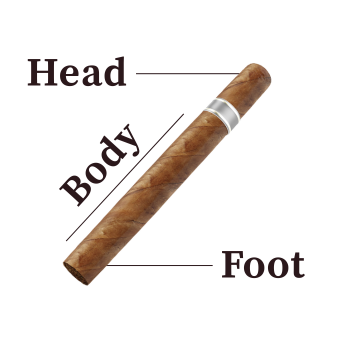
Knowing this helps you make a clean cut and avoid unraveling the wrapper — one of the most common beginner mistakes.
How to Cut a Cigar Correctly
Cutting is the first step that decides draw, burn, and structure. A bad cut can split the wrapper or restrict airflow.
Step-by-Step Cigar Cutting Guide
- Choose the right cutter. Guillotine cutters are most common; V-cuts and punch cutters are also excellent for precision.
- Find the cap line. Look at the rounded head — you’ll notice a thin rim called the shoulder. The goal is to cut just above that line.
- Position the cutter. Place it just over the shoulder and keep the cigar steady.
- Make a quick, firm cut. No hesitation. A single motion ensures a clean edge.
Cutting too deep causes unraveling. Cutting too shallow restricts draw. The sweet spot is removing about 2 to 3 millimeters of the cap.
Once cut, inspect the edge — it should be smooth with no loose tobacco. Add this cigar to your Cigarwell Collection and note the cut type you used for future comparison.
How to Light a Cigar Properly
Lighting is not about setting it on fire. It’s about toasting the tobacco gradually so it burns evenly and releases its natural flavors.
Step-by-Step Cigar Lighting Guide
- Hold the cigar at a 45° angle just above the lighter’s flame. Do not touch the flame directly.
- Rotate the cigar slowly to toast the foot evenly. You’ll see the edges darken first.
- Gently blow on the foot — it should glow orange without burning black.
- Take small puffs while rotating. This helps heat the center evenly.
- Check the burn. The entire foot should glow, and the ash should be gray-white, not black or flaky.
Take your time — a proper light ensures the cigar won’t canoe or burn unevenly.
If one side burns faster, rotate that side upward to even it out.
The First Draw — How to Smoke a Cigar the Right Way
Smoking a cigar isn’t about inhaling. It’s about tasting. Draw gently and let the smoke rest in your mouth to sense the flavor layers — cedar, spice, cream, or nuts depending on the blend.
Key Points for the Perfect First Smoke
- Pace yourself. One puff every 45–60 seconds keeps the burn cool and consistent.
- Do not relight too soon. If it goes out, tap the ash, purge stale smoke, and relight calmly.
- Watch the ash. Let it grow to about 2 centimeters before gently tapping it. This stabilizes the burn.
- Sip water, not whiskey, for your first smoke. It keeps your palate clean and reveals the cigar’s true character.
Use the Cigarwell Lights feature to log your first smoke — record flavor notes, burn performance, and draw quality. Over time, this builds your personal tasting library.
Common Beginner Mistakes When Smoking Cigars
New smokers often rush or treat cigars like cigarettes. Avoid these pitfalls:
- Inhaling the smoke (causes harshness and dizziness).
- Lighting too close to the flame (burns the wrapper).
- Cutting too deep and ruining the cap.
- Puffing too frequently (overheats the cigar).
- Storing cigars without proper humidity before lighting.
Every mistake is fixable with patience and tracking. Inside Cigarwell, you can record the cigar, its age, humidity level, and lighting notes so each next smoke improves.
Tips for a Better Smoking Experience
- Keep a small notebook or use Cigarwell’s rating system to record every cigar you try.
- Pair mild cigars with coffee or light rum; pair full-bodied cigars with darker spirits.
- Smoke in a calm environment where temperature and wind are stable.
- Use cedar spills for lighting if you want a traditional touch — they burn clean and look elegant.
- Most importantly, take your time. A good cigar session is about an hour of quiet focus.
After the Smoke — Care and Etiquette
When you’re done, let the cigar rest in the ashtray and extinguish naturally. Don’t crush it like a cigarette — it releases bitter odors.
After it cools, clean your ashtray, wash your hands to remove lingering oils, and note your impressions in Cigarwell. This helps refine your preferences with every session.
Final Thoughts
Every cigar tells a story, but the way you cut, light, and smoke it decides how clearly that story comes through. The difference between harsh and heavenly often comes down to rhythm — slow, steady, and intentional.
Whether you’re lighting your first cigar or perfecting your routine, practice this ritual until it feels natural. Log your sessions, compare cuts, note burn quality — and soon every cigar will feel like a masterclass.