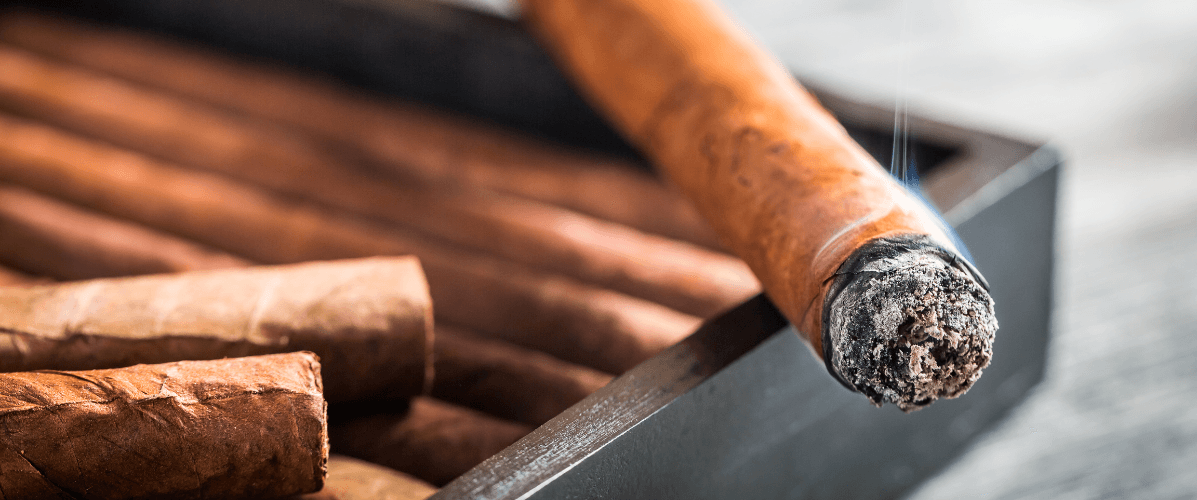
Cigar Aging: How Long to Wait & What Changes to Expect

Cigarwell OfficialAuthor
3 min read
Aging cigars is one of the most fascinating aspects of cigar collecting and enjoyment. Like fine wine, cigars develop complexity, aroma, and smoothness over time when stored correctly. Whether you’re a beginner or a seasoned aficionado, understanding how long to age cigars and what changes to expect will dramatically improve your smoking experience.
This guide explores aging timelines, flavor development, storage best practices, and common mistakes, so you can enjoy every cigar at its peak.
Why Aging Cigars Matters
Many beginners overlook aging, but it’s a crucial part of the cigar experience. Aging allows tobacco to mellow, aromas to deepen, and harsh notes to soften. Over time, natural oils in the tobacco blend together, producing richer and more balanced flavors. Even mid-range cigars benefit from a few months of proper aging.
Benefits of aging cigars:
- Improved smoothness: Reduces bitterness and sharpness, making the smoke gentler.
- Enhanced flavor complexity: Sweet, earthy, or spicy notes develop as tobaccos interact.
- Better burn and draw: Aging improves construction, resulting in a more consistent burn.
- Increased value: Rare or limited-edition cigars may gain value over time.
Aging isn’t just about collecting — it’s about creating a personal experience that rewards patience and attention to detail.
How Long Should You Age Cigars?
The ideal aging period depends on cigar type, strength, and storage conditions. Not all cigars are meant for long-term aging.
Short-Term Aging (6–12 Months)
Light and medium cigars benefit most. Harsh edges soften and subtle flavors emerge.
Ideal for everyday smokes or beginners experimenting with their first humidor.
Medium-Term Aging (1–3 Years)
Medium to full-bodied cigars begin developing richer complexity. Darker tobaccos, especially from Nicaragua or the Dominican Republic, gain smoothness while retaining character.
Long-Term Aging (3+ Years)
Premium or rare cigars can age for many years, sometimes decades, if storage is ideal. Flavors deepen, sweet and earthy notes harmonize, and the smoke becomes exceptionally refined.
Quick tip: Not every cigar benefits from long aging. Very mild or machine-made cigars may plateau after a few months. Always experiment and keep tasting notes.
What Changes to Expect in an Aged Cigar
Flavor Profile
- Harsh or bitter notes diminish.
- Sweet, earthy, and spicy flavors become more pronounced.
- Smokiness evolves, adding depth and richness.
Aroma
- Tobacco aroma becomes more layered and intense.
- Notes of cedar, leather, cocoa, or coffee may emerge.
- Subtle floral or nutty undertones develop with long aging.
Burn & Draw
- The cigar burns more evenly.
- The draw becomes smoother as oils redistribute and the wrapper relaxes.
- Long-aged cigars often produce firmer ash and a slower burn.
Watching these changes unfold is part of the joy of cigar aging — each cigar becomes a story of time and craftsmanship.
How to Store Cigars for Optimal Aging
Proper storage is essential. A humidor is the foundation of successful cigar aging.
Humidor Basics
- Choose a humidor lined with Spanish cedar to regulate humidity and enhance aroma.
- Maintain 68–72% humidity using a humidifier and hygrometer.
- Keep temperature stable at 65–70°F (18–21°C).
Humidor Placement
- Avoid direct sunlight or heat sources.
- Keep away from kitchens or areas with frequent temperature changes.
Additional Storage Tips
- Rotate cigars every few months for even aging.
- Store strong or vintage cigars separately to avoid flavor transfer.
- Use distilled water or propylene glycol solution to prevent mineral buildup.
Managing and Organizing Your Collection
A well-organized collection ensures each cigar reaches its potential.
- Categorize by strength or brand to prevent flavor contamination.
- Track purchase and aging dates using a spreadsheet or app.
- Label trays or shelves to reduce handling.
- Experiment and document flavor changes, burn quality, and aroma.
Good organization prevents mistakes like over-aging or losing track of your best cigars.
Common Mistakes to Avoid
- Using tap water instead of distilled water.
- Overcrowding the humidor and blocking airflow.
- Opening the humidor too often, causing humidity swings.
- Aging low-quality or overly mild cigars for too long.
- Storing cigars near strong odors that tobacco can absorb.
Tips for Tracking and Tasting Aged Cigars
- Maintain a cigar journal with brand, age, and tasting notes.
- Smoke cigars in similar environments to notice subtle changes.
- Compare cigars before and after aging.
- Share aged cigars with friends to gather different impressions.
Tracking turns aging into a rewarding hobby rather than guesswork.
Conclusion: Patience Rewards the Palate
Aging cigars is a journey of patience, care, and curiosity. When stored properly, cigars develop balance, complexity, and depth that transform the smoking experience.
By understanding how long to age cigars, what changes to expect, and how to manage your collection, you’ll enjoy smoother, richer, and more satisfying smokes. Pair your aged cigars with coffee, rum, or other fine drinks — and let time do the rest.